
Cognac
Canadian Whisky
Champagne
Rum
Malt Whisky
Tequila
Vodka
Wine
Spirits
Beer
Type
Country
Varieta (grape type)
Varieta (grape type)
Varieta (grape type)
Varieta (grape type)
Varieta (grape type)
Varieta (grape type)
Varieta (grape type)
Varieta (grape type)
Region
Varieta (grape type)
Be Inspired / Wine / Wine corks
Wine corks
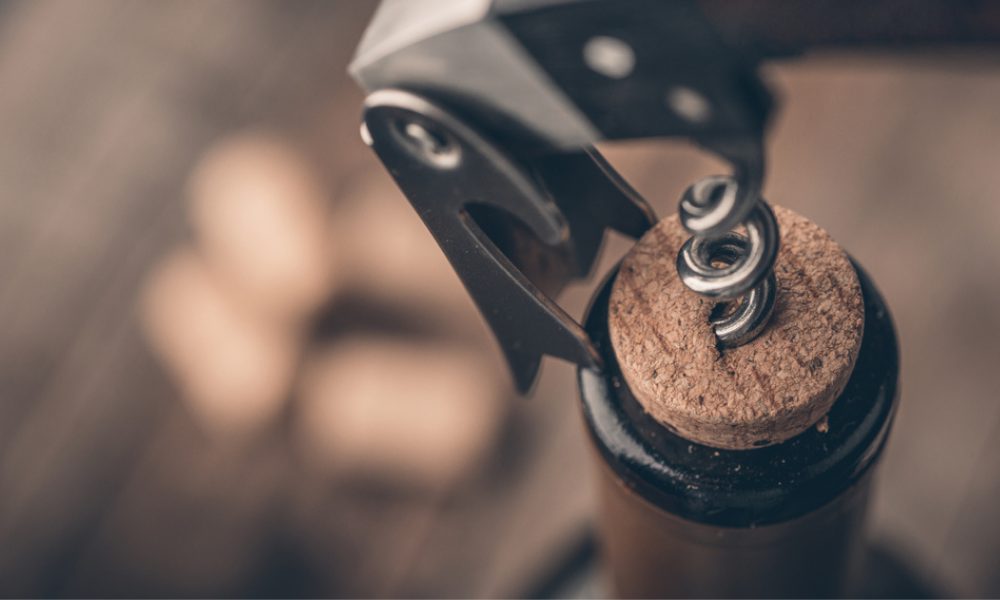
Wine corks have long been the traditional closure for wine bottles, providing a natural and airtight seal that keeps the wine fresh and preserved. However, in recent years, new alternatives to wine corks have emerged, offering wineries and consumers different options for sealing and storing their wines.
Screw caps, also known as Stelvin closures, are one of the most popular alternatives to wine corks. They are made of aluminum and have a rubber lining that provides an airtight seal, similar to a cork. Screw caps are easy to open and close, and they do not carry the risk of cork taint, a chemical compound that can spoil the taste of wine. They are also more environmentally friendly than corks, as they can be reused and recycled.
Another alternative to wine corks is the synthetic cork, which is made of plastic and also has a rubber lining for an airtight seal. Synthetic corks are similar in appearance to natural corks and provide the same benefits in terms of ease of opening and closing, and they also do not carry the risk of cork taint. They are also more cost-effective than natural corks, making them a popular choice for budget-friendly wines.
Glass stoppers, also known as glass closures, are another alternative to wine corks. These closures are made of glass and have a rubber or plastic gasket that creates an airtight seal. Glass stoppers are also easy to open and close, and they do not carry the risk of cork taint. However, they are more expensive than other alternatives and may not be suitable for all types of wine bottles.
In conclusion, while natural corks have been the traditional closure for wine bottles, new alternatives such as screw caps, synthetic corks, and glass stoppers offer wineries and consumers different options for sealing and storing their wines. Each alternative has its own set of benefits and drawbacks, making it important for wineries and consumers to consider their specific needs and preferences when choosing a closure for their wine bottles.