
Vodka
Wine
Spirits
Beer
Cognac
Canadian Whisky
Champagne
Rum
Malt Whisky
Tequila
Type
Country
Varieta (grape type)
Varieta (grape type)
Region
Varieta (grape type)
Varieta (grape type)
Varieta (grape type)
Varieta (grape type)
Varieta (grape type)
Varieta (grape type)
Varieta (grape type)
Be Inspired / Rum / How rum is made
How rum is made
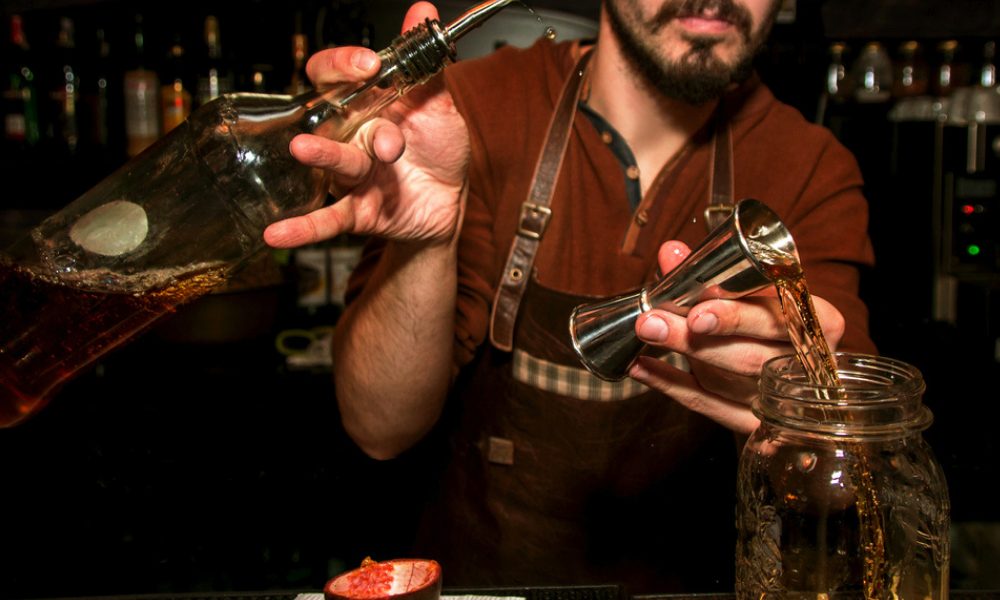
Rum is a spirit that has been enjoyed for centuries, and its popularity only continues to grow. But how is this delicious liquor made? The process of making rum is a fascinating one, and it all starts with the raw ingredient: sugarcane.
The first step in rum production is harvesting the sugarcane, which is then crushed to extract the juice. This juice is then heated and clarified to remove impurities, resulting in a clear liquid known as “cane juice.” From here, the cane juice is fermented with yeast, which converts the sugars into alcohol.
Once the fermentation process is complete, the resulting liquid is distilled. This involves heating the liquid to create vapor, which is then condensed back into a liquid. This process is typically done twice, resulting in a higher proof alcohol that is ready for aging.
After distillation, the rum is aged in oak barrels. The type of barrel used can impact the flavor of the rum, with some distillers using bourbon or whiskey barrels for added complexity. The rum is left to age for a minimum of one year, although some rums can be aged for several decades. During this time, the rum takes on the flavors and aromas of the oak barrel, resulting in a smooth and complex spirit.
Finally, the aged rum is blended and bottled, ready for consumption. Some distillers may add flavorings or sweeteners to their rums, while others prefer to let the natural flavors of the aged spirit shine through. Regardless of the approach, the end result is a delicious spirit that can be enjoyed neat, on the rocks, or as a key ingredient in a wide range of cocktails.
In summary, the process of making rum is a complex and nuanced one that involves a range of steps, from harvesting sugarcane to aging the final product in oak barrels. The result is a spirit that is enjoyed by millions of people around the world, and a testament to the skill and dedication of the distillers who craft it.