Cognac
Canadian Whisky
Champagne
Rum
Malt Whisky
Tequila
Vodka
Wine
Spirits
Beer
Type
Country
Varieta (grape type)
Varieta (grape type)
Varieta (grape type)
Varieta (grape type)
Varieta (grape type)
Varieta (grape type)
Varieta (grape type)
Varieta (grape type)
Region
Varieta (grape type)
Be Inspired / Wine / History of wine
History of wine
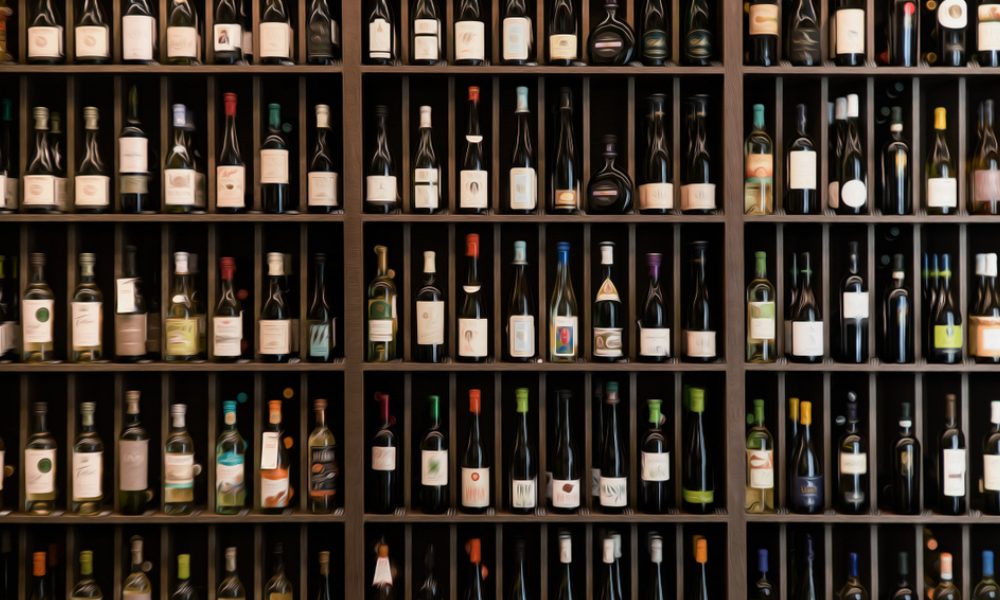
Wine has a rich and storied history that spans thousands of years and encompasses countless cultures. The origins of wine can be traced back to ancient civilizations in the Middle East and Europe, where grapevines were first cultivated for both culinary and religious purposes.
Over time, the art and science of winemaking evolved, and different regions and cultures began to develop their own unique styles and traditions. For example, in ancient Greece and Rome, wine was celebrated for its medicinal properties and was often consumed at religious ceremonies. Meanwhile, in the Middle Ages, monasteries played a crucial role in the development of winemaking in Europe, with monks experimenting with different grape varieties and techniques.
As trade and travel expanded during the Renaissance and the Age of Exploration, wine began to spread throughout the world. New grape varieties were introduced to different regions, and winemaking techniques were adapted to suit local climates and soils. This led to the emergence of distinct wine regions, such as France’s Bordeaux and Burgundy, and the development of different styles of wine, such as dry and sweet.
The 19th and 20th centuries saw further advancements in winemaking, with the introduction of new technologies and scientific methods. The invention of the cork-making machine in the 1800s revolutionized the way wine was bottled and stored, and the advent of refrigeration and pasteurization in the 20th century made it possible to produce and transport wine on a large scale.
Today, wine is produced in every corner of the globe, with a wide range of styles and varieties available to suit every taste. From the crisp and refreshing whites of New Zealand to the bold and full-bodied reds of Argentina, wine continues to be a beloved and enduring part of human culture.
As the industry continues to evolve, new trends and technologies are emerging. Sustainable and organic winemaking practices are gaining popularity, as are alternative closure methods such as screw caps and synthetic corks. The use of oak barrels for aging wine is also being replaced by newer methods like concrete eggs and stainless steel tanks.
In conclusion, the history of wine is a fascinating and ever-evolving story that is intimately tied to human culture and civilization. From its ancient origins to its modern-day diversity and complexity, wine continues to be a beloved and enduring part of human culture. As technology and trends continue to evolve, the future of winemaking promises to be just as exciting and varied as its past.