
Food pairing
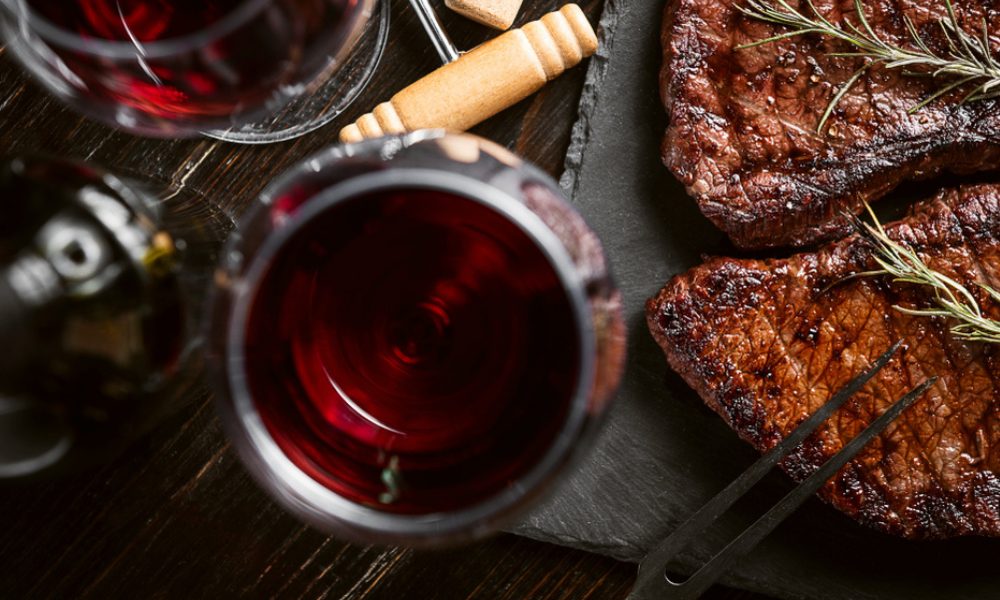
Wine and food pairing is the art of matching the flavors and textures of wine with those of food to enhance the overall dining experience. The goal of wine pairing is to create a harmonious balance between the flavors of the wine and the flavors of the food, so that neither overpowers the other.
When pairing wine and food, it is important to consider the weight and texture of the wine, as well as the flavors and aromas. For example, a light-bodied white wine such as a Sauvignon Blanc pairs well with light and delicate dishes, such as seafood and salads, while a full-bodied red wine such as a Cabernet Sauvignon pairs well with rich and hearty dishes, such as red meats and stews.
Another important consideration is the acidity of the wine. Acidity is the tangy and refreshing characteristic of wine that helps to balance the flavors of the food. High acidity wines such as Riesling, Sauvignon Blanc, and Pinot Noir pair well with acidic and spicy foods, such as tomatoes and Thai dishes. Low acidity wines such as Chardonnay and Merlot pair well with rich and creamy foods, such as pasta with cream sauce and cheese.
The flavor and aroma of wine also play a big role in pairing wine with food. For example, a wine with fruity and floral aromas, such as a Pinot Noir or a Gewürztraminer, pairs well with dishes that have similar flavors, such as duck with a cherry sauce or spicy Asian dishes. A wine with earthy and smoky aromas, such as a Syrah or a Zinfandel, pairs well with dishes that have similar flavors, such as grilled meats and stews.
When it comes to Sparkling wines, the acidity and bubbles in sparkling wines are great for pairing with salty or fried foods. The acidity cuts through the richness of the food and the bubbles cleanse the palate, making it a perfect match for dishes such as fried chicken, sushi, and charcuterie.
Fortified wines, such as Sherry and Port, have a higher alcohol content and are typically sweeter. They pair well with strong, salty and nutty flavors such as blue cheese, olives, and nuts. They are also a great match for desserts, especially those with chocolate, caramel or nuts.
Overall, wine and food pairing is a matter of personal taste and experimentation. It’s important to remember that there are no hard and fast rules and to have fun experimenting with different combinations.
It is also worth noting that wine can also be paired with other elements such as music, art and ambiance, thus creating an overall experience.
Red wine
When pairing red wine with food, it is important to consider the weight and texture of the wine, as well as the flavors and aromas. For example, a light-bodied red wine such as a Pinot Noir pairs well with light and delicate dishes, such as fish and poultry, while a full-bodied red wine such as a Cabernet Sauvignon pairs well with rich and hearty dishes, such as red meats and stews.
For example, a light-bodied Pinot Noir pairs well with grilled salmon or roasted chicken, while a full-bodied Cabernet Sauvignon pairs well with a juicy steak or a hearty stew. For red wines with high tannin level such as Syrah and Tempranillo, it’s recommended to pair them with foods that have a high fat content, grilled meats, or hard cheese.
White wine
When pairing white wine with food, it is important to consider the acidity of the wine, as well as the flavors and aromas. High acidity white wines such as Sauvignon Blanc, Riesling, and Pinot Grigio pair well with acidic and spicy foods, such as salads, seafood and sushi. Low acidity white wines such as Chardonnay and Viognier pair well with rich and creamy foods, such as pasta with cream sauce and cheese.
For example, a Sauvignon Blanc pairs well with a fresh salad with a lemon vinaigrette or seafood such as sushi and oysters, while a Chardonnay pairs well with rich and creamy dishes such as pasta with alfredo sauce or grilled chicken with a creamy mushroom sauce.
Rosé wine
Rosé wine is a versatile wine that can pair well with a wide range of foods. The acidity and fruity flavors of rosé wine make it a great choice for pairing with salads, seafood, and grilled meats. The light body and sweetness of rosé wine also make it a great choice for pairing with spicy and flavorful dishes such as Mexican or Indian cuisine.
For example, a dry rosé such as Provence rosé pairs well with a salad with goat cheese and berry vinaigrette or grilled shrimp skewers, while a sweeter rosé such as a White Zinfandel pairs well with a spicy curry or a sweet and sour stir-fry.
Sparkling wine
The acidity and bubbles in sparkling wines are great for pairing with salty or fried foods. The acidity in sparkling wines helps to cut through the richness of the food and the bubbles help to cleanse the palate. Sparkling wines also pair well with seafood, and are a classic pairing for oysters and caviar. Sparkling wines are also a popular choice for pairing with appetizers and desserts.
For example, a Brut Champagne pairs well with fried foods such as tempura or fried chicken, while a Prosecco pairs well with seafood such as oysters and sushi. A sparkling wine also pairs well with desserts such as fruit tarts or creamy pastries.
Fortified wine
Fortified wines are known for their rich and complex flavors and are typically enjoyed as an aperitif or a digestif. Sherry, Port, Madeira, and Marsala are the most popular fortified wine varieties and they pair well with nuts, cheeses, and olives.
For example, a dry Sherry pairs well with nuts and cheese plates, while a sweet Port pairs well with chocolate desserts. A Madeira pairs well with nuts and cheeses, while a Marsala pairs well with fruit tarts and creamy pastries.